
UPenn Must Comply in Federal Antisemitism Probe and Supply List of Jewish Employees says Judge

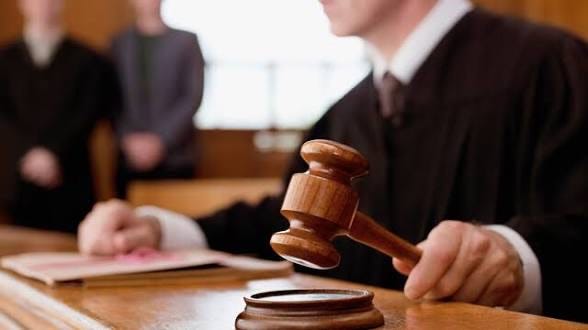
A federal judge ordered the University of Pennsylvania to supply records on its Jewish employees to the Equal Employment Opportunity Commission as part of an ongoing probe into alleged campus antisemitism
District Judge Gerald Pappert of Philadelphia said Penn doesn't have to offer by name which Jewish organizations each employee is affiliated with but upheld most of the commission's subpoena and said the university has until May 1 to comply.
Employees will be allowed to opt out of participating in the investigation but must give the commission the opportunity to talk to them directly.
Below are the different outlets that report on the Story.
Media Coverage Comparison
From the Right
Washington Examiner: University of Pennsylvania ordered to provide names of Jewish employees to federal agency
Link to Story: https://www.washingtonexaminer.com/news/4512013/university-of-pennsylvania-ordered-provide-names-of-jewish-employees/
From the Center
The Times of Isreal: US judge says Trump administration can demand list of Jews at Penn for antisemitism probe
Link to story: https://www.timesofisrael.com/us-judge-says-trump-administration-can-demand-list-of-jews-at-penn-for-antisemitism-probe/
From the Left
Associated Press: Judge says Penn must turn over information about Jewish employees in US discrimination probe
Link to story: https://apnews.com/article/eeoc-probe-penn-ac1f54c0d585f7d184383f955822ec68
PrismwireNews Observations
The ruling ordering the University of Pennsylvania to comply with a federal antisemitism probe highlights a complex tension between civil rights enforcement and individual privacy.
At its core, the decision affirms the government’s position: investigators need access to potentially affected individuals to determine whether discrimination occurred. The court emphasized that identifying Jewish employees could be “substantially related” to investigating antisemitism claims, reinforcing the authority of agencies like the EEOC to pursue such data in discrimination cases.
However, the backlash from the university and advocacy groups reveals the other side of the issue. Critics argue that compiling lists tied to religious identity even for investigative purposes raises serious concerns about privacy, constitutional protections, and historical sensitivities.
What makes this story significant is not just the legal outcome, but the precedent it may set. This case signals a shift toward more aggressive federal intervention in campus related discrimination investigations, potentially expanding how far authorities can go in requesting identity based data.
This isn’t just a campus controversy it’s a broader question of how far enforcement power should extend when protecting rights.