

President Trump said the US will hold off on its promise to "obliterate" power plants in Iran because the two countries have had meaningful peace discussions, though Iran has denied that the negotiations have taken place.
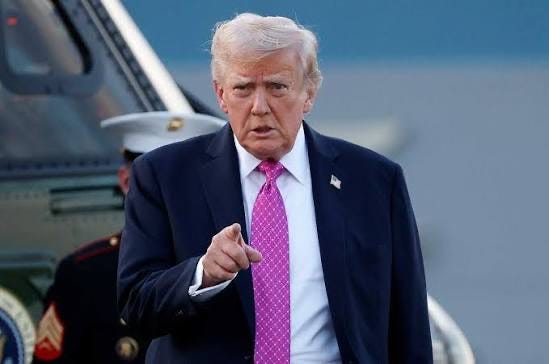
Below are these views different coverage on the story.
Media Coverage Comparison
From the Right
Fox News Digital: Trump responds after Iranian state media denies talks with US
Link to Story: https://www.foxnews.com/live-news/iran-israel-us-war-trump-horumuz-deadline-march-23
From the Left
Al Jazeera: Iran denies any talks with US after Trump claims ‘productive’ discussions
Link to story: https://www.aljazeera.com/news/2026/3/23/iran-denies-any-talks-with-us-after-trump-claims-productive-discussions
From the Center
BBC News: Trump says 'good' talks ongoing with Iran - but offers few details
Link to story: https://www.bbc.com/news/articles/c75kl47zez3o
PrismwireNews Observations
This story centers less on confirmed events and more on a clash of narratives between political messaging and official denial and how that uncertainty is presented to the public.
On one side, Donald Trump claims that “productive” talks are taking place with Iran, even suggesting that certain military actions have been paused as part of a broader diplomatic effort. This framing signals possible de-escalation, implying that backchannel or indirect negotiations may be underway.
On the other side, Iranian officials directly reject this claim, labeling it “fake news” and denying that any such talks are happening. This introduces a sharp contradiction, shifting the focus from diplomacy itself to credibility, intent, and strategic communication.
From there, media framing diverges in several key ways:
Some outlets emphasize the possibility of diplomacy, treating Trump’s statements as an indication of behind the scenes negotiations or progress that may not yet be publicly acknowledged
Others highlight the conflict in messaging, focusing on the denial and raising questions about whether the claims are exaggerated, premature, or strategically motivated
A deeper layer of interpretation also emerges. The timing of these claims amid ongoing tensions leads some coverage to suggest that such statements could be aimed at shaping perception rather than reporting reality. This includes influencing:
Global markets, particularly oil prices
Public sentiment, signaling control or progress
Geopolitical positioning, projecting strength or openness to negotiation
At the same time, the broader context complicates the narrative. Despite claims of “productive talks,” tensions and military posturing between the U.S. and Iran continue, making it unclear whether:
Diplomacy is happening quietly behind the scenes
Communication is indirect or misinterpreted
Or the situation is primarily driven by information signaling rather than actual negotiation
Overall: this story is not just about whether talks are happening ,it’s about how uncertainty itself is framed. The same situation can be presented as emerging diplomacy and de-escalation, or as conflicting narratives shaped by political messaging and strategic interests.
In this case, the absence of clear confirmation becomes the story, demonstrating how modern coverage often operates in the space between what is said, what is denied, and what remains unknown with each version shaping how the public interprets risk, progress, and intent.