

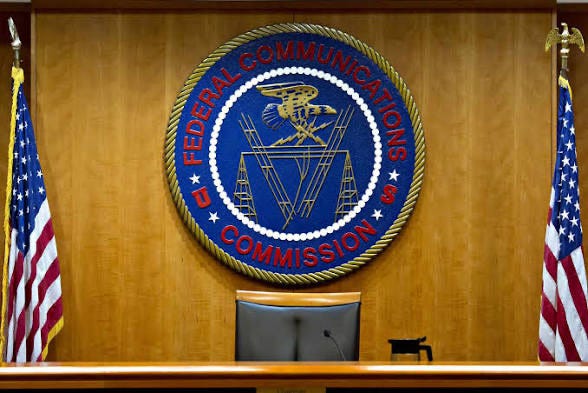
Federal Communications Commission (FCC) chair Brendan Carr threatened not to renew several news broadcasters' licenses unless they "correct course" on their coverage of the Iran war.
Below are how News outlets report on the situation.
Media Coverage Comparison
From the Left
New York Times: F.C.C. Chair Threatens to Revoke Broadcasters’ Licenses Over War Coverage
Link to story: https://www.nytimes.com/2026/03/14/world/middleeast/fcc-broadcasters-iran-war.html
From the Center
Straight arrow News: Media clash escalates as FCC chair threatens broadcast licenses
Link to story: https://san.com/cc/media-clash-escalates-as-fcc-chair-threatens-broadcast-licenses/
From the Right
The Epoch Times: FCC Chair Threatens Broadcasters' Licenses Citing Concerns Over Iran War Coverage
Link to story: https://www.theepochtimes.com/us/fcc-chair-threatens-broadcasters-licenses-citing-concerns-over-iran-war-coverage-5999033
PrismwireNews Observations
The story highlights rising tensions between the U.S. government and news organizations over media coverage of the Iran conflict. Brendan Carr warned that broadcasters could lose their licenses if they continue airing what he called “news distortions”, arguing that broadcast stations are legally required to operate in the public interest.
The controversy reflects a deeper debate about the role of government in regulating media. Supporters of Carr’s position argue that broadcast licenses come with public-interest obligations and that misinformation should be addressed. Critics, however, view the warning as potential political pressure on news organizations and a threat to press freedom.
From a media-analysis perspective, coverage of the issue tends to diverge based on emphasis. Some outlets frame the story around media accountability and misinformation, while others highlight free-speech concerns and government overreach. The differing narratives illustrate how the same event can be interpreted through competing frameworks of media responsibility versus press independence.
The story highlights rising tensions between the U.S. government and news organizations over media coverage of the Iran conflict. Brendan Carr warned that broadcasters could lose their licenses if they continue airing what he called “news distortions”, arguing that broadcast stations are legally required to operate in the public interest.