

New York City spent about $81,705 per unsheltered homeless person in 2025, according to a new state comptroller's report. this figure marks a $53,277 increase from 2019. According to the city, the homeless population grew from 3,588 to 4,504 during the same period.
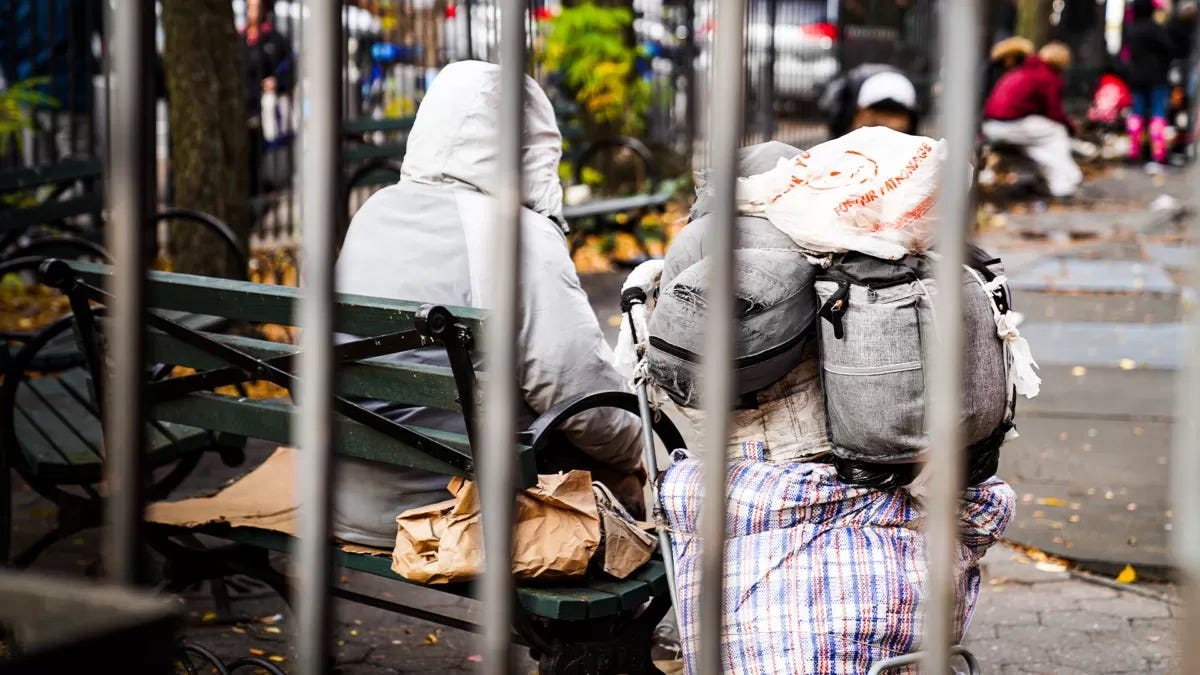
Media Outlets, covering the story, gave different views. Below are these views.
Media Coverage Comparison
From the Left
Washington Post: Spending more money on homelessness isn't helping
Link to story: https://www.washingtonpost.com/opinions/2026/03/17/homeless-costs-new-york-unsheltered-subway/
From the Center
Reason: NYC Spent Over $368 Million To Combat Homelessness This Past Fiscal Year. Now the State Can't Track the Money.
Link to the story: https://reason.com/2026/03/18/nyc-spent-over-368-million-to-combat-homelessness-this-past-fiscal-year-now-the-state-cant-track-the-money/
From the Right
Washington Examiner: New York’s nonprofit problem
Link to story: https://www.washingtonexaminer.com/opinion/4498512/new-york-nonprofit-problem-spending-homeless-population/
PrismwireNews Observations
New York City’s homelessness spending story highlights a sharp divide between rising investment and questionable outcomes.
The data shows the city spent roughly $82,000 per unsheltered homeless person in 2025, a dramatic increase from 2019, while the unsheltered population also grew significantly during the same period.
From there, media framing splits:
Some outlets emphasize inefficiency and lack of accountability, pointing to unclear tracking of funds and questioning where the money is going.
Others frame the issue as structural and complex, arguing homelessness involves factors like mental health, housing shortages, and systemic gaps not just funding levels.
There’s also a contrast in interpretation: one narrative suggests “more spending, worse results,” while another highlights that high costs reflect the difficulty of addressing the most severe cases.
Overall: the story shows how the same data can be framed either as a policy failure in spending efficiency or as a reflection of a deeper, harder to solve social crisis, shaping how audiences assign responsibility and solutions.